Ask any skin therapist and they will tell you that one key to long-term healthy skin is sunscreen. Still, there’s a lot of misinformation around the subject. Here we debunk some of the most common sunscreen myths.
Myth: A higher SPF protects you for longer
No. A higher SPF filters more UVB rays, but it only protects you as long as there is enough sunscreen on your skin. How much sunscreen you apply and how often you reapply is just as important as the SPF number itself. The SPF only gives its labelled protection if you apply the recommended amount throughout the day. Here’s how much you need:
- Face and neck: 2 finger lengths (about ½ teaspoon)
- Whole body: 1 shot glass full (about 3 tablespoons)
- Reapply: every 2 hours, and after swimming, sweating or high UV exposure
These amounts, and the two-finger rule for the face, are also cited by pharmacy trade guidance.
SPF values roughly fall into protection categories (source):
| SPF | Protection level |
|---|---|
| SPF 6–10 | low |
| SPF 15–25 | medium |
| SPF 30–50 | high |
| SPF 50+ | very high |
Myth: All sunscreens protect against all sun rays
SPF only measures protection from UVB rays. A sunscreen only protects you from both UVA and UVB rays if it is labelled broad spectrum. In Europe, look for the UVA seal: the letters “UVA” in a circle. Check for it when you buy, so your skin is fully protected.
Myth: Darker skin tones don’t need sunscreen, or need less
All skin tones need protection from the sun. A 2016 study in the Journal of the American Academy of Dermatology found that while melanoma is more common in fair-skinned people, people with darker skin have lower survival rates (source). This is due to several factors, including medical misinformation. All skin tones benefit from daily sunscreen to prevent skin cancer, hyperpigmentation and premature ageing. Annual skin checks and equal access to healthcare are just as important.
Myth: Makeup with SPF is enough protection for the day
Even if all your makeup products contain SPF, they won’t give you enough sun protection. They often aren’t broad spectrum, and you usually apply far too little. So: sunscreen first in the morning, then makeup. An SPF blush or setting spray is fine for topping up during the day, but not as your only sun protection.
Myth: I’m hardly outside, so I don’t need sunscreen
Even if you spend most of your time indoors, UVA rays still reach you, for example through windows. They contribute to skin damage and skin cancer. Making sunscreen part of your morning routine is one of the best things you can do for long-term skin health.
First time with us? Welcome Special: 10% off your first treatment Just leave your number and we’ll get back to you. Your skin analysis is included at your first visit.Myth: I only need sunscreen in summer because the winter sun isn’t as strong
The strength of the rays that burn and age your skin depends on the UV index, not the temperature. The UV index ranges from 0 (low) to 11 (extremely high) and depends on factors such as the ozone layer and cloud cover (source: Germany’s Federal Office for Radiation Protection). That’s why sun protection matters on cloudy and cold days too.
Myth: I have to go out without sunscreen to get vitamin D
You can get enough vitamin D from your diet and about 5 to 10 minutes of sunlight a day, even while wearing sunscreen. A review in the British Journal of Dermatology confirms that daily sunscreen use does not meaningfully compromise vitamin D synthesis under normal conditions (source). If your vitamin D levels are low, talk to your doctor about supplements, and keep using sunscreen.
Myth: There’s no sunscreen that won’t clog my pores
If your sunscreen causes breakouts, it might not suit your skin type. Choose a mineral sunscreen with a physical filter or one formulated for acne-prone skin. Sensitive skin should also use a physical filter. Your esthetician can help you find the right sunscreen.
Myth: It’s too late to start, the damage from my childhood is already done
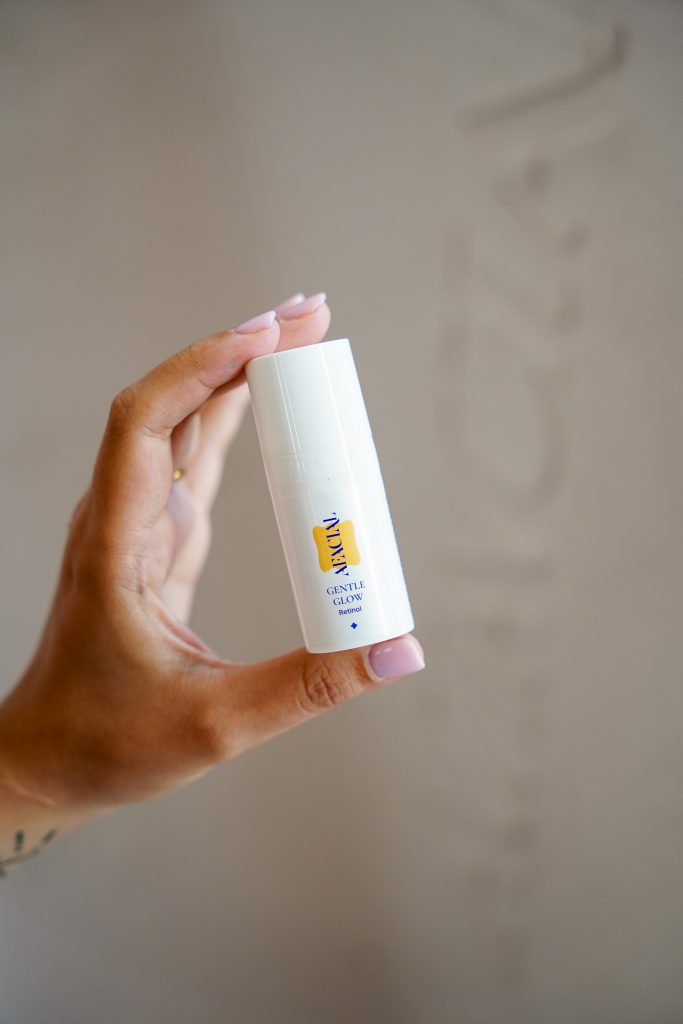
It’s never too late to start good habits. Wearing sunscreen every day pays off at any age. Products with retinol and other repairing ingredients can help soften past damage. Start protecting your skin now: it will thank you in the long run.
Myth: Last year’s sunscreen is still good
Once opened, sunscreen usually only stays effective for a few months, even if the expiry date is further away. Look for the open-jar symbol on the packaging with a number like “12M”, which tells you how many months it’s good for after opening. Heat in summer, say in a car or on the beach, makes the active ingredients break down faster too. If your sunscreen sat in direct sun all summer, or that symbol’s period is long past, reach for a fresh bottle instead.
Sunscreen or day cream – what goes on first?
Your regular skincare first, then sunscreen as the last step of your routine, and only then makeup. That way the sunscreen can form an even film on your skin and give you its full protection.
Sun protection after your treatment
Sunscreen is especially important after treatments like microneedling, peels or laser, because freshly treated skin is more sensitive to light. After laser and pigmentation treatments at AFACIAL: daily SPF 50, and avoid sun and sauna for 2 to 3 weeks. After other treatments, consistent sun protection for the first few days is usually enough. Already have pigmentation spots? See how we treat them: pigmentation spot removal in Vienna and Laser Facial Treatment in Vienna.
We’re happy to help you find the right sunscreen for your skin. Your skin analysis is included at your first visit. Book your appointment at AFACIAL.
Sunscreen: frequently asked questions
How much sunscreen do I need for my face?
Two finger lengths for your face and neck, which is about half a teaspoon.
How often should I reapply?
Every two hours, and also after swimming or sweating.
Do I need sunscreen in winter?
Yes. How much the sun damages your skin depends on the UV index, not on the temperature.
Is make-up with SPF enough?
No. You apply far too little of it, and it often lacks UVA protection. Sunscreen first in the morning, then make-up.
Which sunscreen suits blemished or sensitive skin?
A mineral sunscreen with a physical filter, or one developed for acne-prone skin.
Is it a problem if sunscreen has expired?
Past its expiry date, or the period after opening, it no longer protects reliably. Better to use a fresh one.
Should I use sunscreen on my face every day?
Yes, even on cloudy days and in winter, because UVA rays get through clouds and windows too.
What goes on first, sunscreen or day cream?
Skincare first, then sunscreen as the last step, then make-up.
Which sunscreen is suitable during pregnancy?
A mineral sunscreen is often recommended in general. It’s best to check with your doctor.
Can’t find your question? Just send us a message. Ask on WhatsApp